When it comes to backpacking, every ounce counts. The gear you choose can make or break your experience in the great outdoors. One of the most critical pieces of equipment for any backpacker is the sleeping bag. However, there are many misconceptions surrounding lightweight sleeping bags that can lead to confusion and poor choices. In this article, we will explore the best lightweight sleeping bags available on adventureoasisworld.com, while also debunking some common myths about them.
Myth: Lightweight sleeping bags are not warm enough.
Truth: Many backpackers believe that lightweight sleeping bags compromise warmth for weight. This is a misconception. Modern materials and insulation technologies have advanced significantly, allowing manufacturers to create sleeping bags that are both lightweight and warm. For instance, down insulation offers an excellent warmth-to-weight ratio, making it a popular choice among serious backpackers. Synthetic options, while slightly heavier, can also provide substantial warmth without the bulk.
When selecting a sleeping bag, consider the temperature rating. A bag rated for colder temperatures will keep you warm even in chilly conditions, while a lighter bag may suffice for summer trips. Brands like Sea to Summit and Big Agnes offer a range of options that balance weight and warmth, ensuring you can find the perfect fit for your adventures.
Myth: All lightweight sleeping bags are the same.
Truth: Not all lightweight sleeping bags are created equal. The market is flooded with options, and each bag has unique features tailored to different types of backpackers. For example, some bags are designed for ultralight enthusiasts who prioritize weight above all else, while others cater to those who seek comfort and additional features like hoods and draft collars.
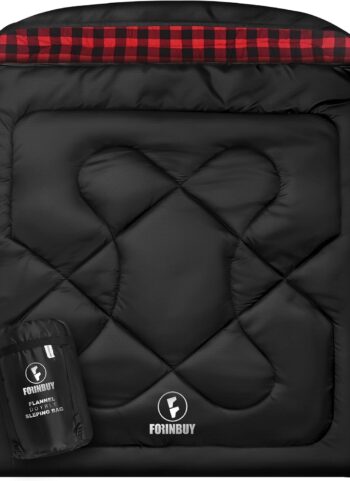
When browsing adventureoasisworld.com, pay attention to the bag’s shape, insulation type, and additional features. Mummy bags are typically more efficient in terms of weight and warmth, while rectangular bags offer more room to move but can be bulkier. Additionally, consider the bag’s packability; a compressible sleeping bag will save space in your pack, allowing you to carry other essential gear.
Another factor to consider is the bag’s shell material. Lightweight sleeping bags often use ripstop nylon or polyester, which are durable yet lightweight. Some bags even feature water-resistant coatings to protect against moisture, ensuring you stay dry during unexpected weather changes.
When it comes to choosing the right sleeping bag, personal preference plays a significant role. Some backpackers prefer the plush feel of a synthetic bag, while others swear by the compressibility and warmth of down. It’s essential to try different options to find what feels best for you.
Myth: You can only use a lightweight sleeping bag in summer.
Truth: While many backpackers associate lightweight sleeping bags with summer camping, they can be used year-round with the right layering techniques. In colder months, consider pairing your lightweight bag with a sleeping bag liner or wearing insulated clothing to enhance warmth. This versatility allows you to maximize your gear investment, making it suitable for various climates and conditions.
Additionally, many lightweight sleeping bags are designed with versatility in mind. Some models feature zippers that allow you to vent the bag on warmer nights or zip two bags together for couples or friends camping together. This adaptability makes them a smart choice for any backpacker looking to minimize their gear without sacrificing comfort.
In conclusion, lightweight sleeping bags are an essential piece of gear for any backpacker. By debunking common myths and understanding the features that matter most, you can make an informed decision when shopping at adventureoasisworld.com. Remember to consider warmth, weight, and personal preference when selecting your sleeping bag. With the right choice, you can enjoy a restful night’s sleep under the stars, ready to tackle the adventures that await you.